

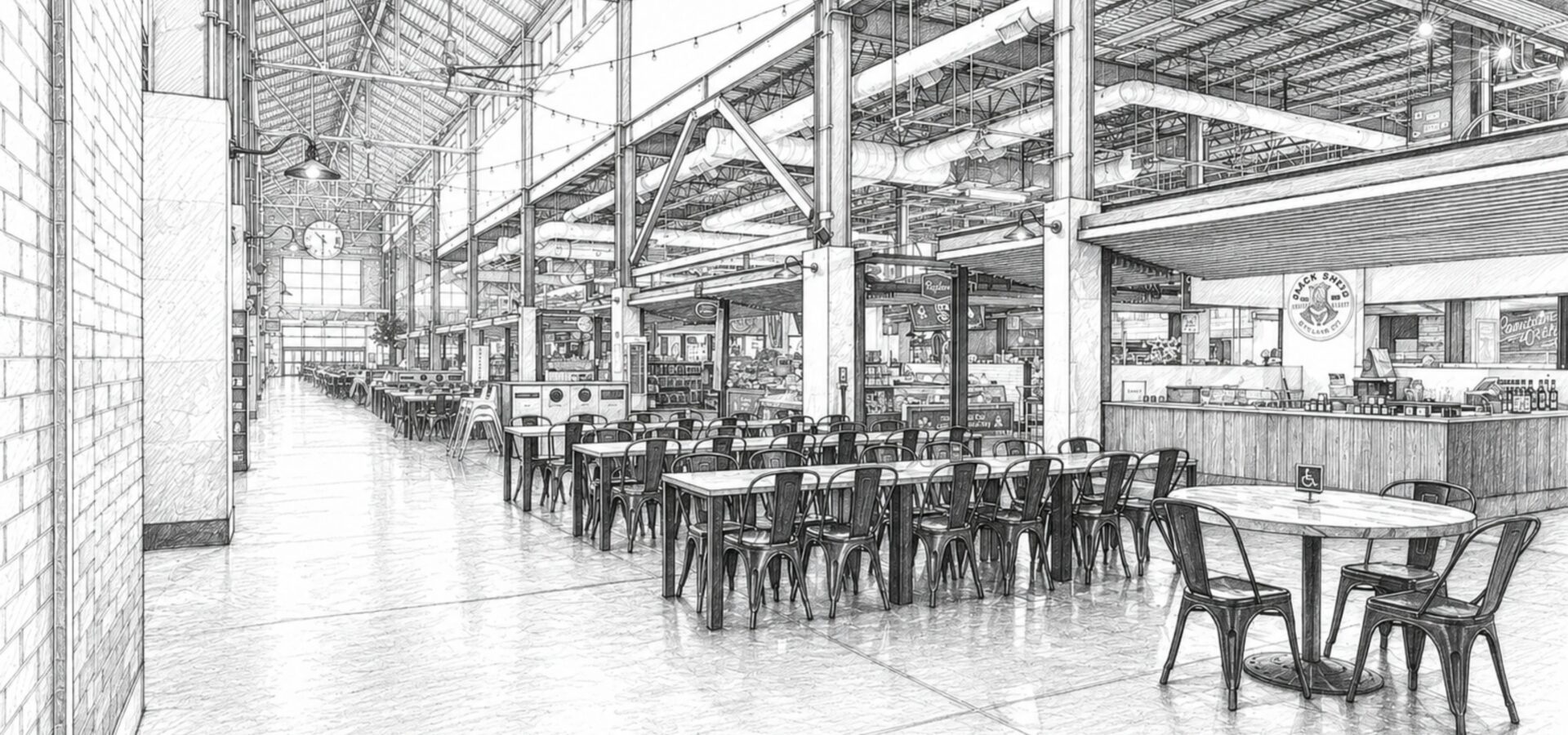
For 75 years, WalterFedy has helped clients navigate change.
While the tools, technologies, and challenges facing our industry have evolved, one thing has remained constant: the need to see opportunity where others see obstacles. From helping communities grow and industries expand to supporting organizations through periods of transformation, our legacy has been built on understanding what exists today and envisioning what it could become tomorrow.
Today, that challenge looks different than it did in 1951.
Organizations are balancing evolving operational needs, ambitious sustainability goals, financial pressures, and changing expectations around how people work, connect, and experience the built environment. As a result, the most impactful opportunities are often not found in building something entirely new—they’re found in reimagining what already exists.
Whether transforming an underutilized warehouse into a thriving research and innovation hub, creating a vibrant community destination, or helping an airport chart a practical path toward decarbonization, our work begins with the same question: Why?
Understanding how a space is used, how people interact within it, and what our clients are ultimately trying to achieve allows us to uncover opportunities that might otherwise be overlooked.
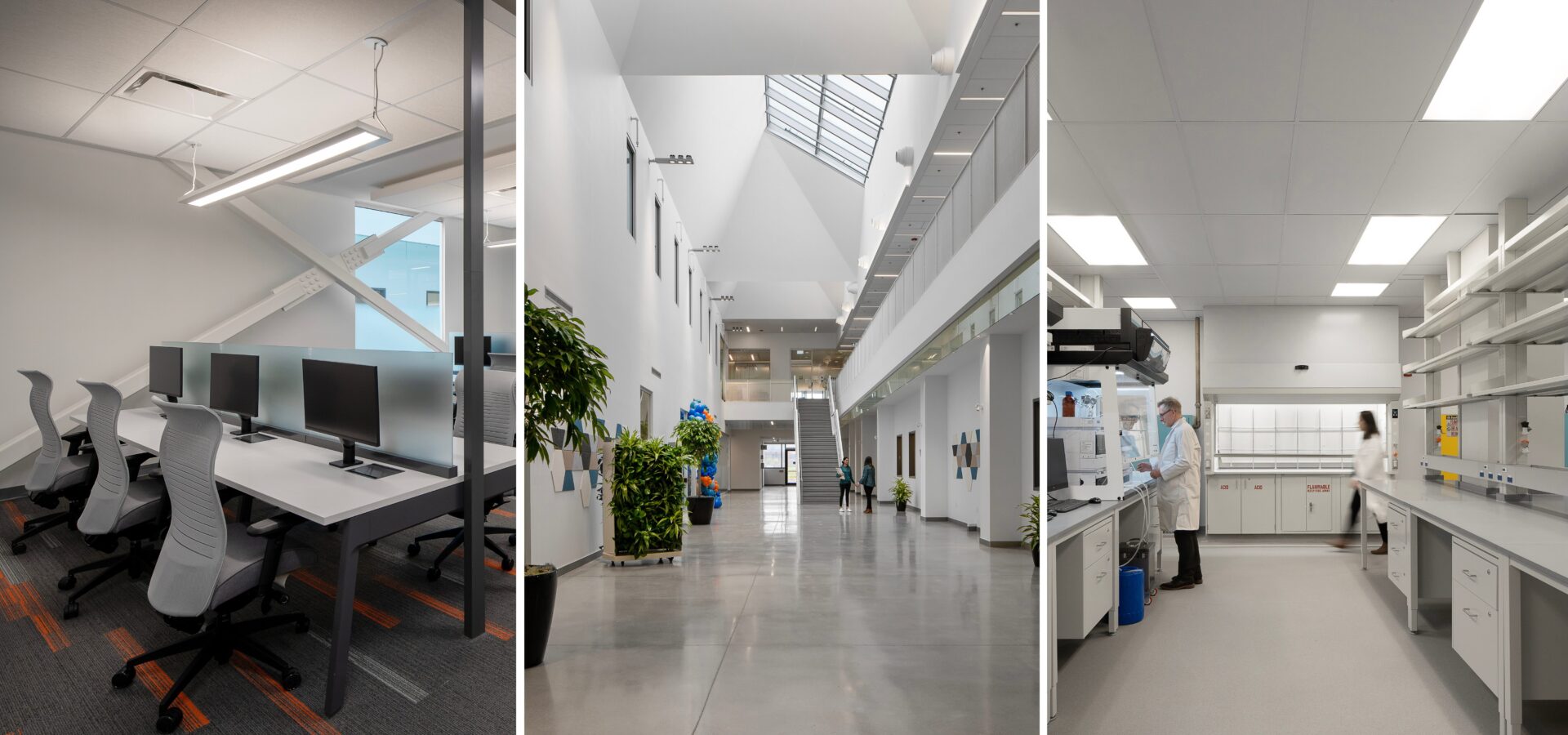
At McMaster Innovation Park, WalterFedy helped transform an existing warehouse into a 68,000-square-foot life sciences and research commercialization facility. Rather than constructing a new building, the project leveraged the existing structure to create flexible laboratory environments, clean rooms, office space, and pharmaceutical research facilities. A 7,000-square-foot Flex Lab was designed to support start-ups and emerging researchers with shared infrastructure and scalable workspaces, while a central two-storey atrium introduced natural light and opportunities for collaboration. The result was a future-ready innovation hub that positioned Hamilton as a growing centre for health and life sciences research.
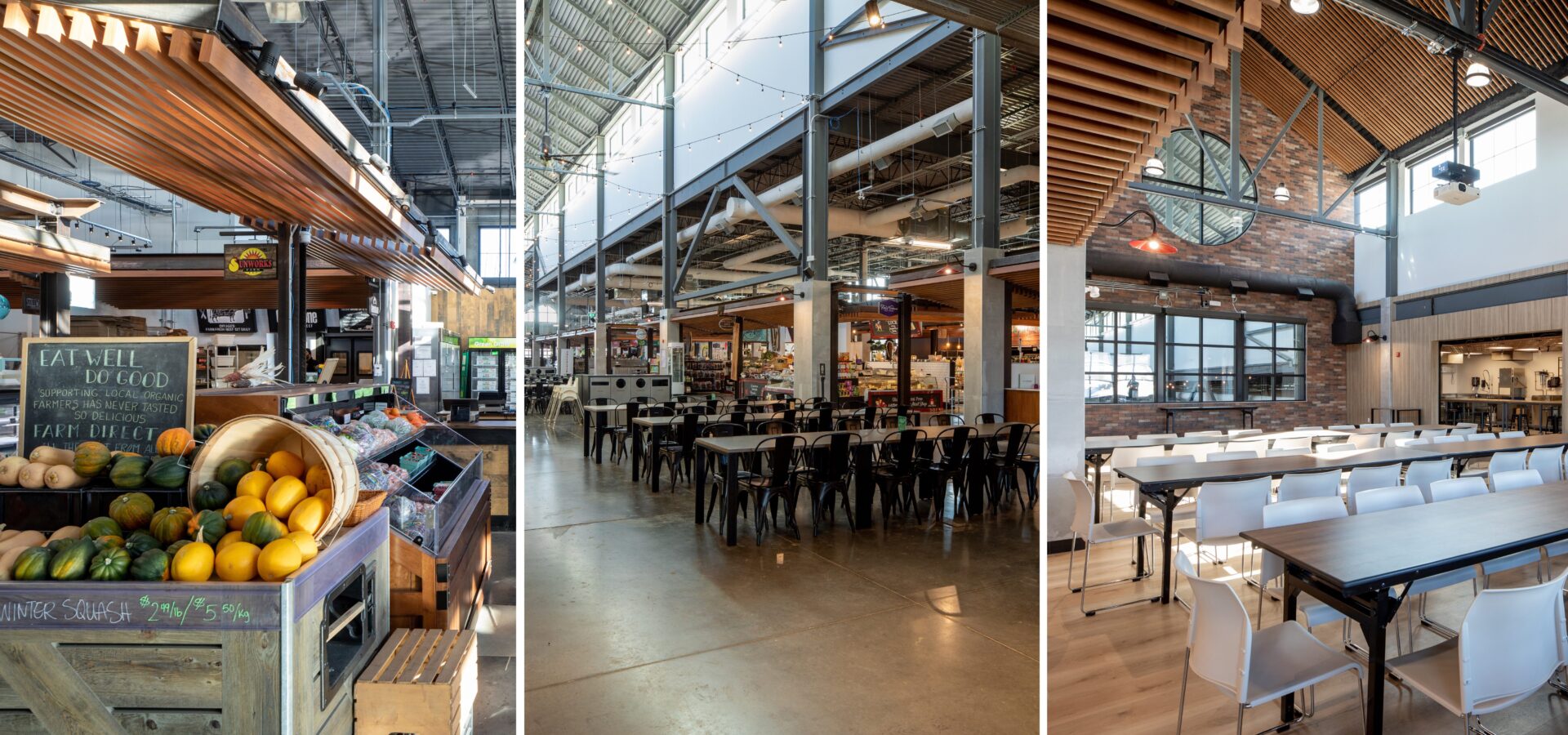
 At Calgary Farmers’ Market West, reimagining a traditional market experience meant creating a destination that fosters community connection year-round. Inspired by Toronto’s historic St. Lawrence Market, the project transformed a commercial development into a vibrant gathering place featuring more than 70 local vendors, event spaces, a commercial teaching kitchen, children’s play areas, and communal seating. Through thoughtful placemaking and an “outside-in” design approach, the market has become a thriving community hub that supports local businesses while creating meaningful opportunities for people to connect.
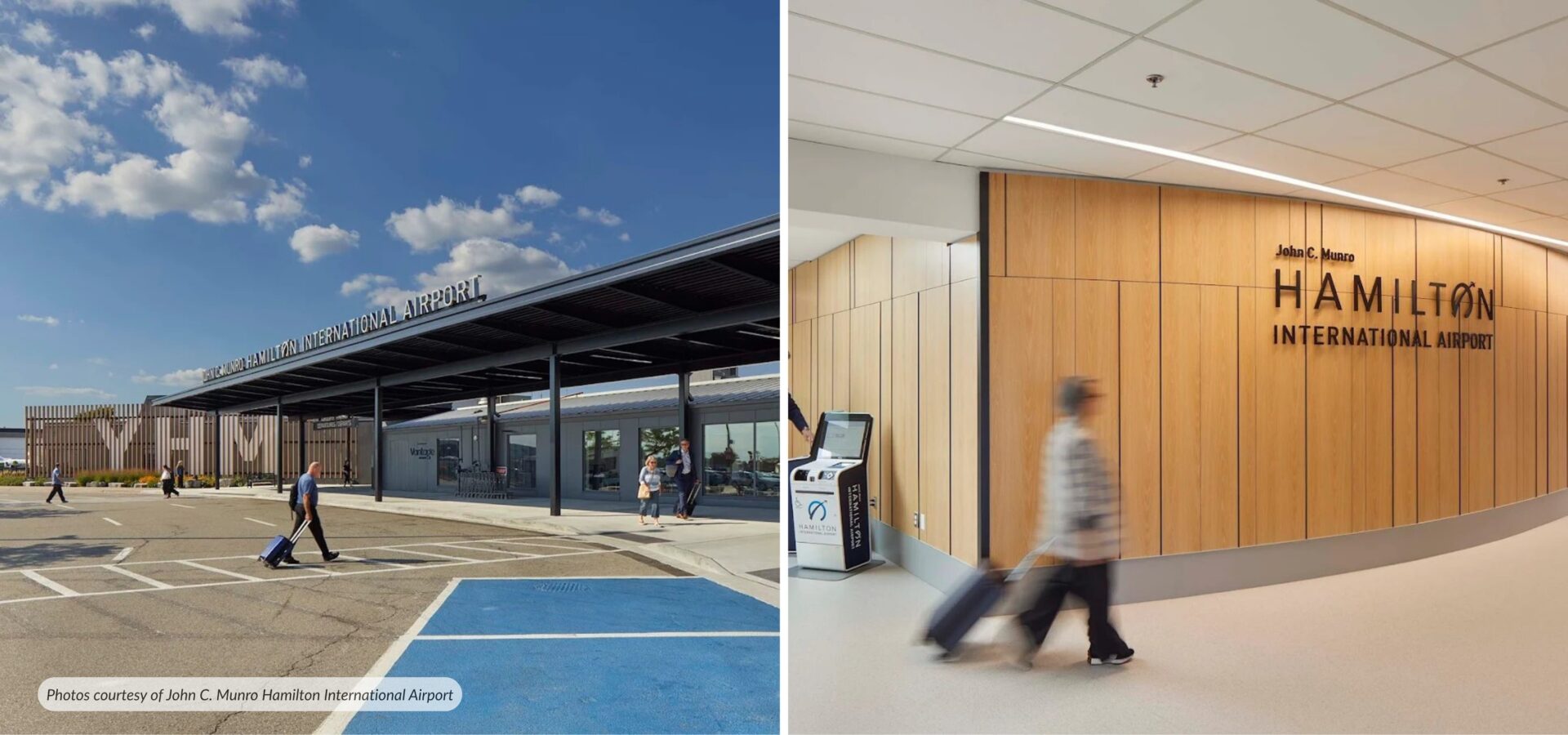
 For John C. Munro Hamilton International Airport, reimagining the future meant looking critically at existing assets and operations. WalterFedy conducted a comprehensive decarbonization study to identify pathways toward the airport’s net-zero goals. By analyzing more than 80 potential energy and greenhouse gas reduction measures, evaluating building performance, and assessing operational impacts, the team developed multiple implementation scenarios that balanced cost, feasibility, and long-term sustainability. The study provided a clear roadmap for reducing emissions while maximizing the value and lifespan of existing infrastructure.
 While each project is unique, they share a common thread: meaningful change starts with understanding what already exists and imagining what it could become.
As we celebrate 75 years of WalterFedy, we’re reminded that our greatest strength has never been a specific service, sector, or technology. It has been our ability to adapt, remain curious, and help clients respond to changing needs with confidence.
The challenges facing our communities today, from climate resilience and decarbonization to adaptive reuse and evolving workplace expectations, require that same mindset. Existing buildings and infrastructure represent significant investments, both financially and environmentally. By rethinking how these assets are used and improved, organizations can reduce waste, lower carbon emissions, accelerate project delivery, and create spaces that better serve the people who rely on them.
For 75 years, we’ve been helping clients uncover possibilities hidden within complex challenges. Looking ahead, we believe the future of the built environment will not be defined solely by what we build next, but by how thoughtfully we reimagine what we already have.
Because sometimes the most innovative solution isn’t starting from scratch.
It’s seeing new possibilities in what’s already there.