Construction has a way of making progress visible.
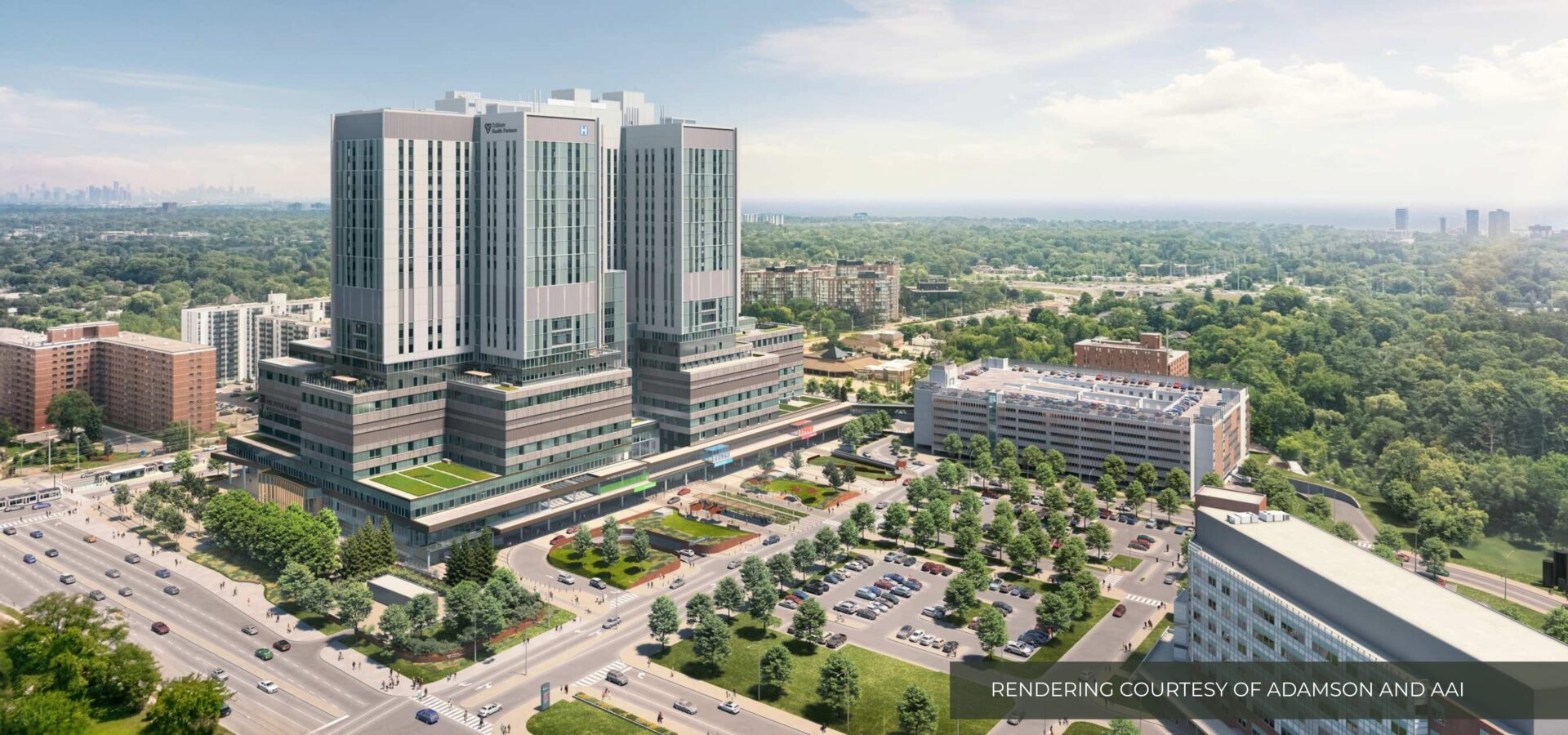
Tower cranes reshape the skyline. Foundations emerge from the ground. Concrete replaces excavation. With each milestone, The Peter Gilgan Mississauga Hospital moves closer to becoming the largest and most advanced hospital redevelopment in Canadian history.
Yet the most significant progress often happens long before it can be seen.
Before the first foundation was poured, engineers were navigating a far more complex challenge: delivering the infrastructure for a 2.8-million-square-foot hospital while ensuring the existing hospital could continue providing uninterrupted care.
Building the Future While Supporting the Present
Unlike a greenfield development, The Peter Gilgan Mississauga Hospital is being constructed within an active healthcare campus at the intersection of Queensway West and Hurontario Street. Patients, families and healthcare professionals continue to rely on the existing facility while an entirely new hospital takes shape around it.
That reality changes everything.
Infrastructure cannot simply be removed and replaced. Utility networks, service connections and supporting systems must remain operational as new infrastructure is introduced in carefully planned phases. Each transition must be seamless, protecting continuity of care while creating the capacity needed for the hospital of tomorrow.
For WalterFedy’s civil engineering team, that process began with understanding what already existed. Existing infrastructure was identified, assessed and characterized to inform phased servicing strategies that would allow construction to advance while maintaining the full functionality of the hospital campus. Decisions had to balance immediate operational requirements with the long-term needs of one of Canada’s most ambitious healthcare projects.
Success on a project of this scale isn’t defined by a single engineering solution. It’s achieved through thousands of interconnected decisions, each one laying the groundwork for the next.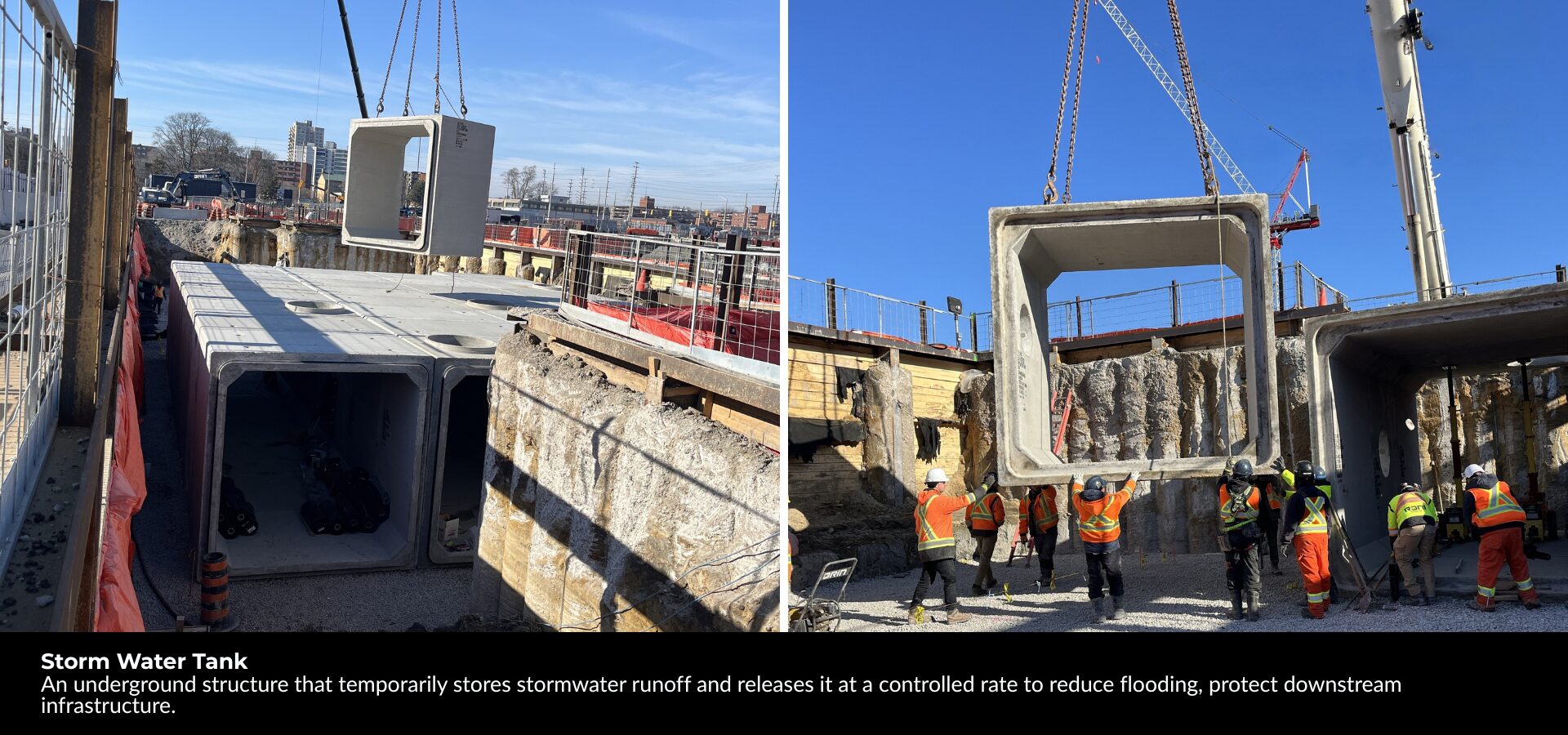
Creating Certainty Through Better Information
Complex infrastructure demands more than good design. It demands confidence in the information that informs design decisions.
During the design process, WalterFedy reviewed hydraulic analyses completed during earlier phases of the project and identified inaccuracies within the existing model that were influencing the results. Rather than designing around those assumptions, the team reconstructed the hydraulic model to better reflect actual site conditions.
The revised analysis provided a clearer understanding of how water would behave across the site, informing a more resilient design solution while eliminating the identified potential for flooding.
It’s an important reminder that some of the most valuable engineering doesn’t involve creating something new. Sometimes, it begins by asking whether the information you’re working from is truly accurate.
Designing Within the Constraints
Complexity wasn’t limited to what lay underground.
The hospital occupies a constrained urban site where every square metre serves a purpose. The remaining green space provides therapeutic outdoor environments for patients, families and visitors; spaces that contribute to healing and well-being.
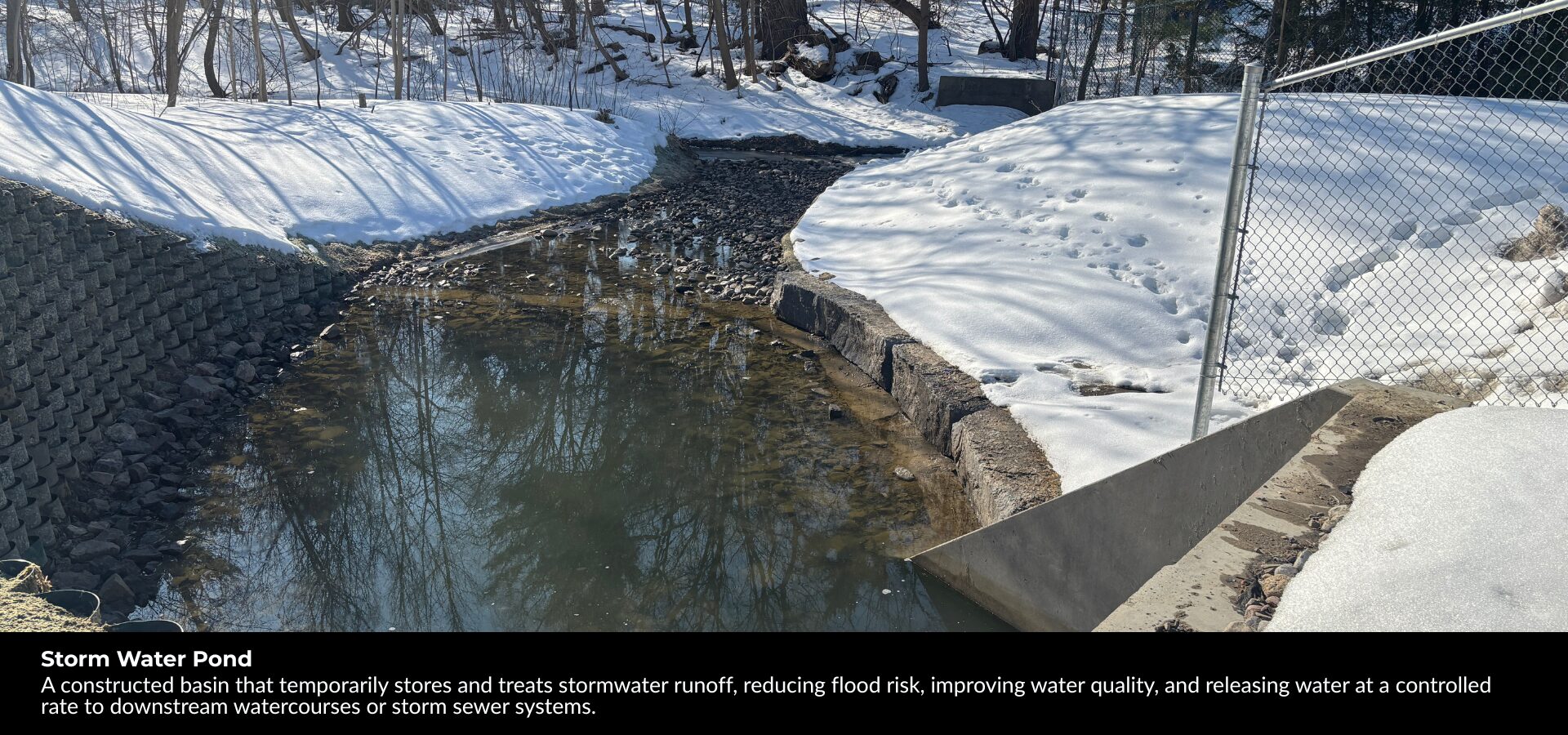
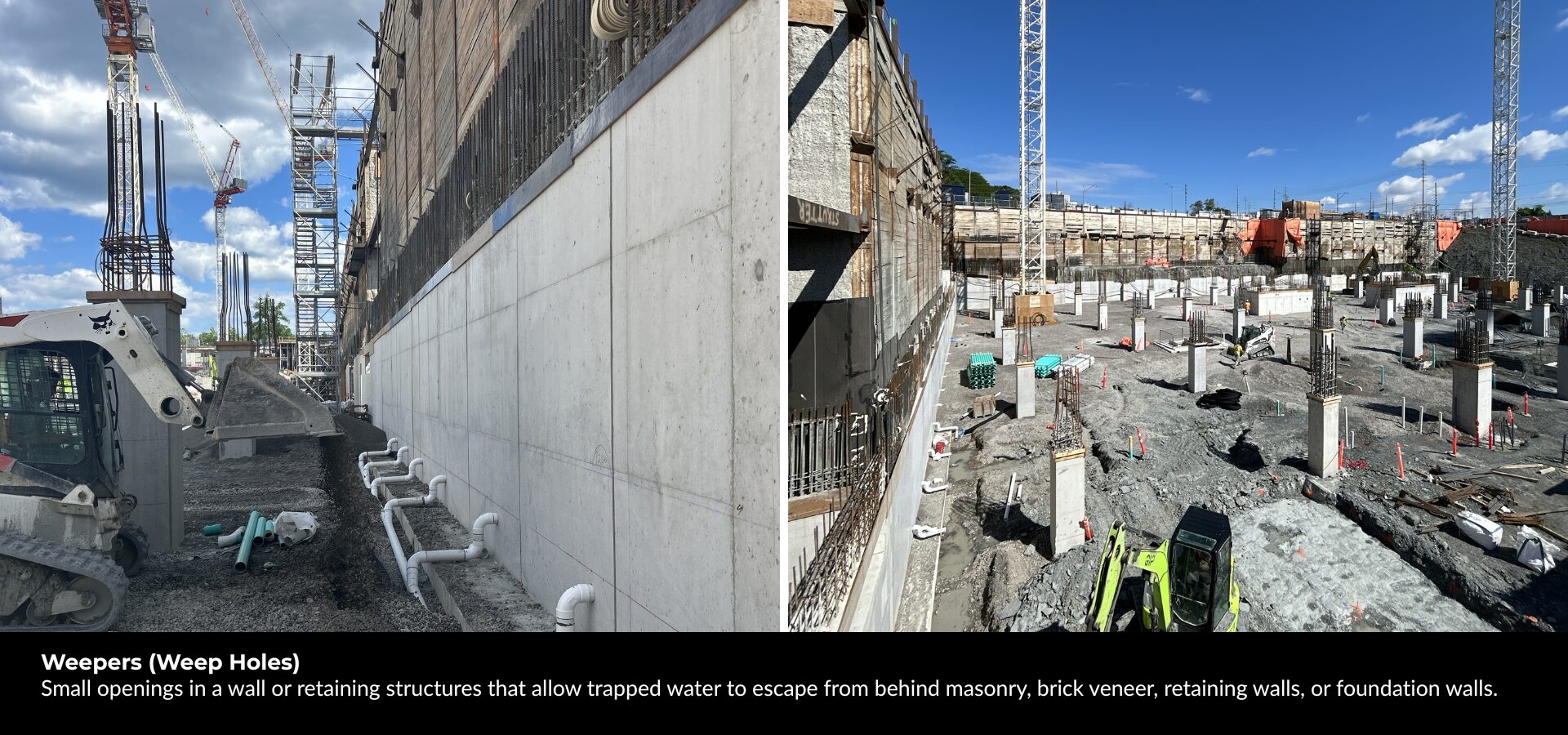
Traditional at-grade stormwater management would have required sacrificing these valuable areas. Instead, the design incorporates an integrated stormwater management system that works largely beneath the surface. Underground storage provides peak flow attenuation while soil cells embedded throughout the streetscape contribute to infiltration, filtration and stormwater treatment. During construction, a temporary stormwater pond manages runoff until the permanent system is fully operational, ensuring resilient performance throughout every phase of redevelopment.
Water quality is addressed through a treatment train approach, combining infiltration, filtration, detention time and oil-grit separation to achieve the project’s long-term water quality objectives before runoff leaves the site.
Rather than relying on a single piece of infrastructure, the solution layers multiple engineering strategies together, preserving therapeutic green space while delivering the performance expected of one of Canada’s most advanced healthcare campuses.
It’s a solution that reflects the broader challenge of the project: balancing technical performance with the human experience.
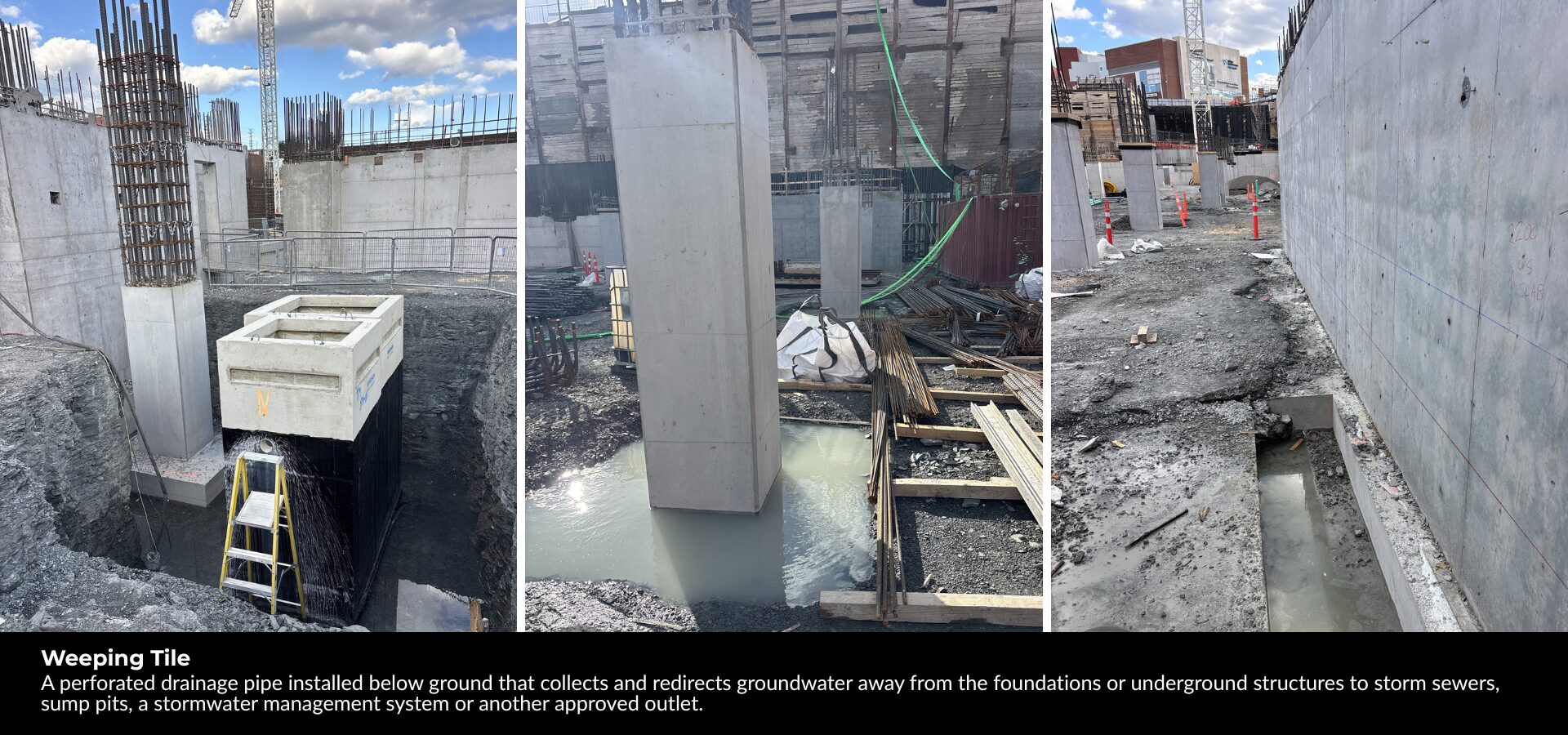
The Foundations of Future Healthcare
When complete, The Peter Gilgan Mississauga Hospital will help redefine how healthcare is delivered, supporting a more connected model of care that brings specialized treatment closer to home through advanced technology and integrated services.
That vision begins long before patients walk through the front doors.
Reliable utilities, resilient stormwater systems, coordinated servicing and carefully sequenced infrastructure create the conditions that allow healthcare to operate safely, efficiently and continuously. These systems may never be seen by the people who rely on them, but they are fundamental to the hospital’s long-term success.
Construction photography captures the visible milestones, but those images cannot fully reveal is the complexity that made each milestone possible.
Beneath the foundations lies months of investigation, collaboration and engineering decisions that have quietly shaped the project from the very beginning. Because on projects like The Peter Gilgan Mississauga Hospital, the strongest foundations aren’t defined by concrete alone. They’re built through the careful navigation of complexity.
Learn more about this project here.